


Drone Countermeasure Integration Strengthens Next Generation Airspace Security
2026-02-26
As unmanned aerial vehicles become more accessible and widely used across commercial, industrial, and recreational sectors, concerns about airspace safety and unauthorized drone activity continue to rise. Airports, government facilities, industrial plants, and large public events all face increasing risks from rogue or unidentified drones. In response to these evolving threats, drone countermeasure integration has emerged as a comprehensive solution designed to detect, track, identify, and mitigate unauthorized UAV activity with precision and reliability.
Drone countermeasure integration refers to the coordinated combination of multiple technologies into a unified defense system. Instead of relying on a single detection tool, integrated systems combine radar, radio frequency monitoring, electro optical sensors, infrared imaging, and acoustic detection into a layered protection framework. This multi sensor approach ensures accurate detection across various environmental conditions, including urban landscapes, remote industrial sites, and complex terrain.
One of the primary advantages of drone countermeasure integration is its ability to provide real time situational awareness. Advanced systems continuously scan the surrounding airspace, identifying suspicious drone signals or flight patterns. Once a potential threat is detected, tracking modules calculate speed, altitude, and trajectory, allowing operators to assess risk levels quickly. This immediate data analysis significantly reduces response time and enhances operational decision making.
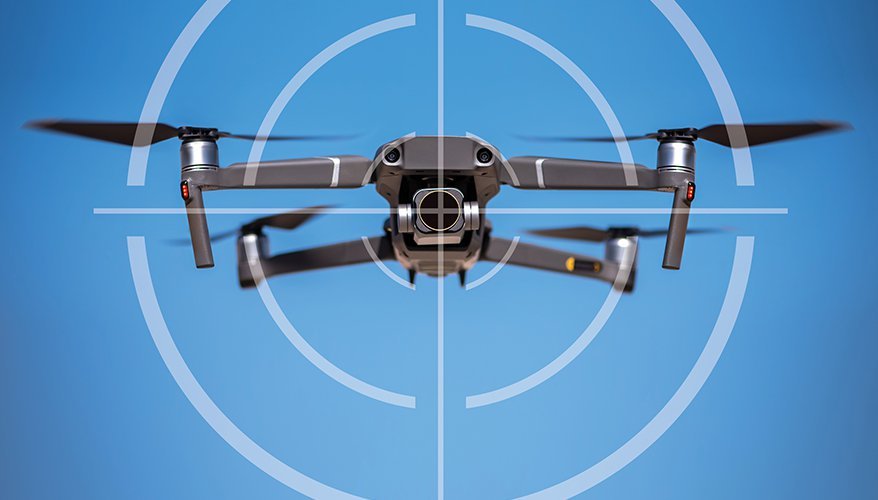
Mitigation is another critical element of drone countermeasure integration. Depending on regulatory frameworks and operational requirements, integrated systems may deploy radio frequency jamming, GPS signal disruption, protocol takeover technologies, or other controlled response mechanisms. These mitigation measures are carefully engineered to neutralize unauthorized drones while minimizing interference with legitimate communications and nearby infrastructure. The integrated architecture ensures that detection and response operate seamlessly within a coordinated command structure.
Scalability is also a defining feature of drone countermeasure integration. Modern systems can be customized to protect small facilities such as corporate campuses or expanded to secure large scale infrastructure, including airports, border zones, and energy installations. Modular hardware design and flexible software platforms allow organizations to adapt protection levels based on evolving threat assessments. This adaptability ensures long term effectiveness and return on investment.
Another significant benefit lies in data integration and analytics. Drone countermeasure integration platforms often incorporate centralized control software that aggregates sensor data into a single dashboard. Operators gain access to detailed logs, threat histories, and performance analytics. Over time, machine learning algorithms can refine detection accuracy, distinguish between authorized and unauthorized drones, and reduce false alarms. This intelligent evolution enhances reliability and operational efficiency.
As global security standards become more stringent, compliance and safety considerations are increasingly important. Drone countermeasure integration systems are designed to align with regulatory requirements and operational safety guidelines. By providing controlled and targeted mitigation options, these systems help organizations protect sensitive assets while respecting legal and communication boundaries.
The rapid advancement of drone technology means that countermeasure strategies must evolve in parallel. Manufacturers are continuously investing in research and development to enhance signal processing accuracy, improve detection range, and optimize response coordination. Drone countermeasure integration represents a forward looking approach that unifies detection, tracking, identification, and mitigation into a cohesive defense ecosystem.
Looking ahead, integration with smart city infrastructure and broader security networks will further strengthen airspace protection. By connecting drone countermeasure integration platforms with surveillance cameras, access control systems, and emergency response units, organizations can establish comprehensive security frameworks capable of addressing complex threats in real time.
In conclusion, drone countermeasure integration is no longer a standalone defensive tool but a strategic component of modern security architecture. By combining advanced sensing technologies, intelligent analytics, and coordinated mitigation capabilities, integrated systems provide reliable and scalable protection against unauthorized drone activity. As airspace environments grow more complex, drone countermeasure integration will remain essential in safeguarding critical infrastructure, public safety, and operational continuity.


Related News
CONTACT
Service Hotline
ADD: Collaborative Innovation Park, Hengli Town, Dongguan City, Guangdong, China

Swarm Technology
Ensure your low altitude security!


Powered by:CEglobal