


Enhancing Security and Awareness with Handheld Drone Detectors
2026-01-07
In recent years, the rapid proliferation of consumer and commercial drones has created both opportunities and challenges across multiple industries. While drones provide innovative solutions in photography, logistics, and inspection, they also pose potential security risks when used in restricted areas or for unauthorized surveillance. To address these concerns, the Handheld Drone Detector has emerged as a vital tool for security personnel, law enforcement, event organizers, and critical infrastructure operators, providing real-time drone detection and enhancing overall situational awareness.
A handheld drone detector is designed to identify and track drones in various environments, from crowded urban areas to large outdoor events. Unlike stationary detection systems, handheld detectors offer mobility, flexibility, and ease of use, allowing security teams to monitor drone activity wherever they are. Using advanced radio frequency (RF) scanning, GPS signal analysis, and visual recognition technologies, these devices can detect multiple drones simultaneously, even when drones attempt to bypass traditional radar or surveillance systems.
One of the key advantages of the Handheld Drone Detector is its rapid response capability. In security-sensitive environments, such as airports, government facilities, stadiums, and corporate campuses, the ability to detect and assess potential drone threats instantly can prevent unauthorized recordings, intrusions, or collisions. Modern handheld drone detectors are equipped with user-friendly interfaces, real-time alerts, and portable designs, ensuring that personnel can respond effectively without extensive technical training.
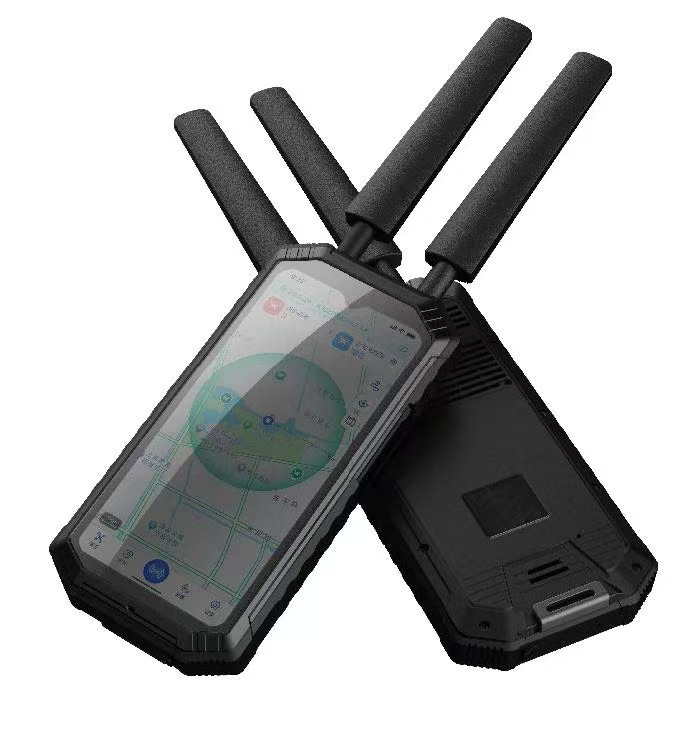
The importance of handheld drone detection extends beyond security personnel. Event organizers and venue managers can use these devices to ensure audience safety during concerts, sports events, or festivals. By identifying and tracking drones entering restricted airspace, operators can mitigate potential accidents or disruptions. Additionally, critical infrastructure facilities, such as power plants, water treatment facilities, and communication hubs, benefit from handheld drone detectors by preventing accidental or malicious drone interference with sensitive operations.
Technological innovation has made handheld drone detectors increasingly accurate and reliable. Many models integrate RF detection, GPS signal interception, and real-time monitoring to provide comprehensive situational awareness. Advanced software algorithms enable these devices to differentiate between drones, birds, and other flying objects, reducing false alarms and enhancing operational efficiency. Some handheld drone detectors also provide geolocation features, allowing security teams to pinpoint the exact location of detected drones and take appropriate action.
The portable nature of handheld drone detectors makes them particularly suitable for rapid deployment in dynamic environments. Unlike fixed surveillance systems, they can be carried by security personnel moving throughout a facility or event, offering constant vigilance without the need for complex installation. This flexibility ensures that drone detection capabilities are available wherever they are most needed, enhancing both proactive security measures and response readiness.
In addition to traditional security applications, handheld drone detectors are also used in law enforcement and military operations. They support border patrols, counter-surveillance missions, and public safety operations by detecting drones that may be used for smuggling, reconnaissance, or other unauthorized activities. The handheld format allows personnel to deploy detection capabilities quickly and discreetly, providing an additional layer of protection in sensitive missions.
The market for handheld drone detectors continues to grow as the drone industry expands. Advances in sensor technology, RF detection, and GPS analysis have increased device accuracy, range, and detection speed. Manufacturers are developing lightweight, ergonomic designs that integrate with mobile devices and monitoring software, making drone detection more accessible and actionable. As regulatory authorities implement stricter drone safety measures, handheld drone detectors will play a critical role in ensuring compliance and protecting sensitive airspace.
In conclusion, the Handheld Drone Detector represents a significant advancement in drone security technology. By combining portability, real-time detection, and advanced tracking capabilities, these devices empower security personnel, law enforcement agencies, and facility managers to maintain situational awareness and mitigate potential drone threats effectively. As drones become increasingly ubiquitous in civilian and commercial sectors, handheld detection technology will remain an essential component of modern security infrastructure, safeguarding people, property, and critical operations from unauthorized drone activity.


Related News
CONTACT
Service Hotline
ADD: Collaborative Innovation Park, Hengli Town, Dongguan City, Guangdong, China

Swarm Technology
Ensure your low altitude security!


Powered by:CEglobal