


Jamming Device for Drone Control: Ensuring Security and Safety in the Age of Unmanned Aerial Vehicles
2026-02-11
The rapid proliferation of drones has revolutionized industries ranging from aerial photography and surveying to delivery and agriculture. While these unmanned aerial vehicles offer numerous benefits, they also introduce new security challenges. Unauthorized drones can intrude on restricted airspace, compromise sensitive facilities, or interfere with public safety operations. To address these concerns, a jamming device for drone control has emerged as a crucial technology, enabling precise, reliable, and safe neutralization of drones when necessary.
A jamming device for drone control works by emitting targeted radio frequency signals that disrupt the communication between the drone and its operator. Most consumer and commercial drones rely on GPS and radio links to maintain stable flight paths and respond to remote commands. By interfering with these signals, the jamming device for drone control prevents the drone from following commands, forcing it to hover, return to its starting point, or land safely. This non-destructive approach ensures that drones can be neutralized without causing collateral damage or endangering people on the ground.
The importance of a jamming device for drone control is increasingly recognized in security-sensitive environments. Airports, military installations, government facilities, and large public events are particularly vulnerable to unauthorized drone activity. In such locations, even a small drone can pose serious risks, from collision hazards to potential espionage. Deploying a jamming device for drone control allows security personnel to monitor and control airspace effectively, maintaining safety without relying solely on manual interception methods, which can be slow or hazardous.
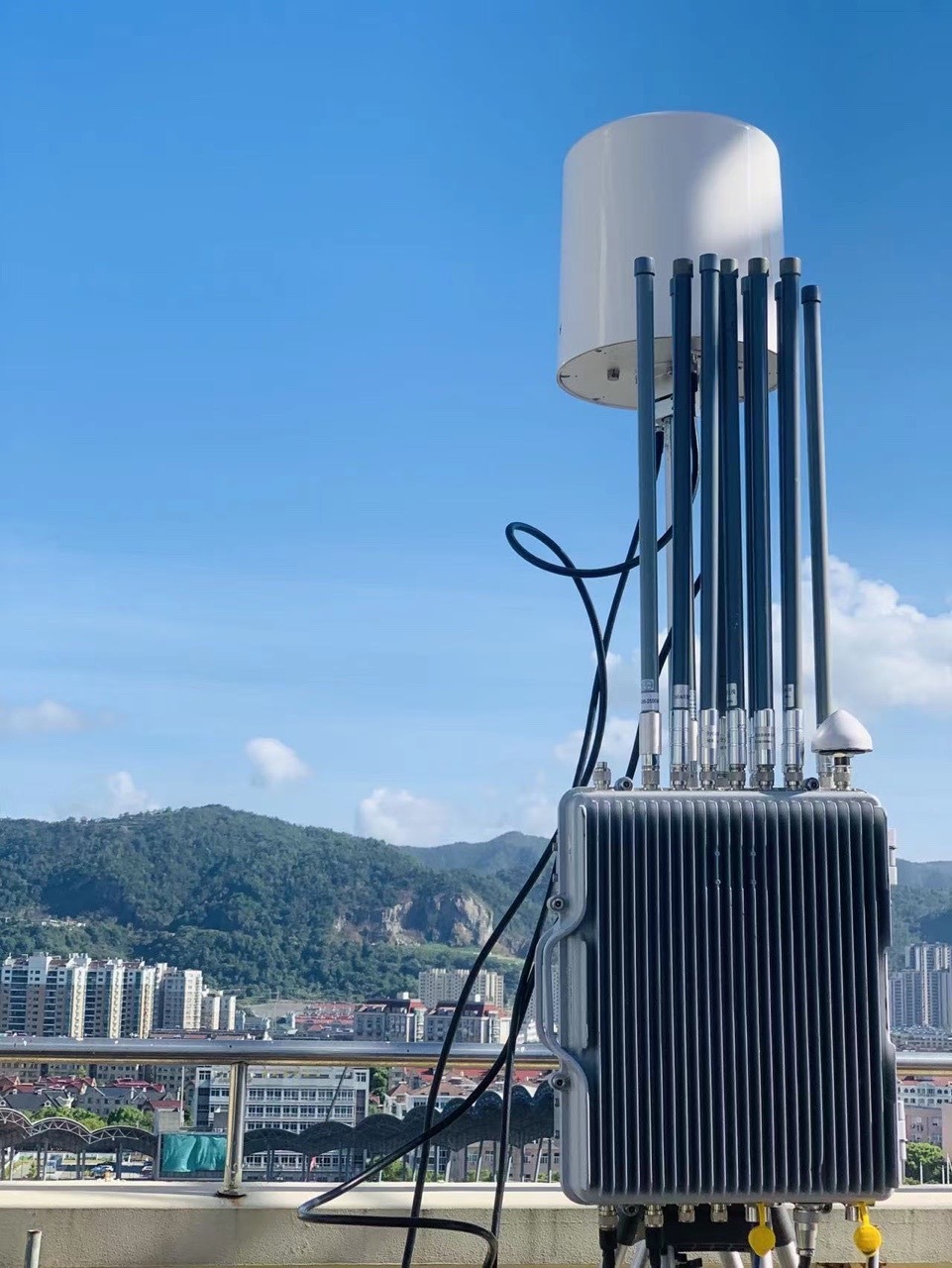
Modern jamming devices for drone control are designed for versatility and precision. Advanced units can target specific frequency bands used by drones, reducing interference with other communication systems. Some devices include adjustable power settings, directional antennas, and automated tracking capabilities, allowing operators to neutralize multiple drones simultaneously or focus on a particular threat. The portability and ease of deployment of these jamming devices make them suitable for both fixed installations and rapid response situations.
In addition to security applications, a jamming device for drone control is also relevant in protecting commercial operations and critical infrastructure. Industrial sites, power plants, and telecommunications hubs increasingly face risks from errant or malicious drones. By implementing jamming devices for drone control, organizations can prevent accidental collisions, data breaches, or disruptions to sensitive operations. This proactive approach not only safeguards assets but also helps comply with aviation regulations and airspace management standards.
The technology behind a jamming device for drone control continues to evolve rapidly. Engineers are developing devices capable of identifying the type of drone, assessing its threat level, and selectively disrupting its controls. Integration with surveillance systems, radar detection, and artificial intelligence enables automatic drone identification and real-time response, making the jamming device for drone control an intelligent solution for complex environments. Such innovations allow security teams to minimize false positives and ensure that only genuine threats are targeted.
Despite its advantages, the deployment of a jamming device for drone control must comply with local regulations and aviation safety laws. Radio frequency interference can affect other devices if not managed properly, so proper authorization and operational protocols are essential. Manufacturers and security professionals are working closely with regulatory authorities to ensure that jamming devices for drone control are safe, legal, and effective in protecting people, property, and sensitive airspace.
The adoption of jamming devices for drone control is expected to grow as drone technology becomes more widespread. From law enforcement agencies and border security to private enterprises and event organizers, the ability to manage and neutralize unauthorized drones is increasingly important. These devices provide a critical layer of defense, complementing surveillance systems, physical barriers, and operational protocols to ensure that unmanned aerial vehicles do not compromise safety or security.
In conclusion, a jamming device for drone control represents a key innovation in the management of modern airspace. By disrupting drone communications safely and effectively, it enhances security, protects critical infrastructure, and maintains public safety. As drones continue to become more prevalent, jamming devices for drone control will play an essential role in balancing the benefits of unmanned aerial technology with the need for security, control, and responsible airspace management. With ongoing advancements, these devices are poised to remain a cornerstone of drone threat mitigation strategies worldwide.


Related News
CONTACT
Service Hotline
ADD: Collaborative Innovation Park, Hengli Town, Dongguan City, Guangdong, China

Swarm Technology
Ensure your low altitude security!


Powered by:CEglobal