


DDS Jammer Technology Gains Attention in Authorized RF Testing and Signal Control Applications
2026-02-04
As wireless communication technologies continue to expand across industries, the ability to manage, evaluate, and protect radio frequency environments has become increasingly important. In this context, DDS jammer technology is drawing growing attention within authorized and regulated fields such as RF testing, electromagnetic compatibility evaluation, and controlled research environments.
A DDS jammer is commonly understood as a signal interference system based on Direct Digital Synthesis technology. DDS enables precise digital generation of radio frequency signals with high frequency resolution and stability. Compared with traditional analog approaches, DDS-based systems offer greater control, repeatability, and flexibility, making them suitable for advanced signal simulation and testing tasks under approved conditions.
In recent years, the use of DDS jammer solutions has been increasingly discussed in connection with laboratory testing and system resilience evaluation. In controlled environments, such systems are used to simulate complex electromagnetic conditions, allowing engineers and researchers to assess how communication equipment responds to interference scenarios. This process plays a valuable role in improving system robustness and supporting the development of interference-resistant technologies.
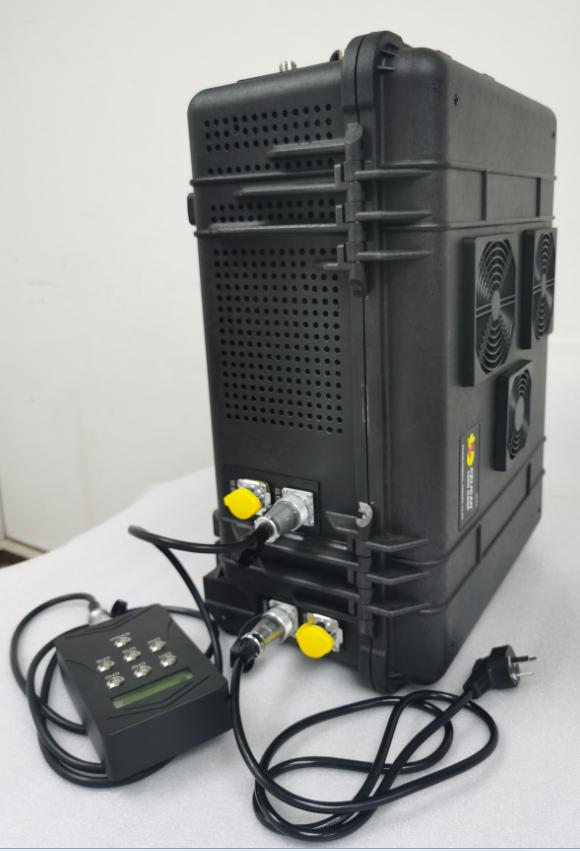
One of the key advantages of DDS-based architectures is their digital accuracy. DDS technology allows frequency parameters to be generated and adjusted through digital control, ensuring consistent and repeatable signal behavior during testing processes. For authorized users, this precision supports reliable data collection and meaningful performance analysis, especially in research and development projects that require stable test conditions.
From an industry perspective, DDS jammer technology is closely linked to compliance and responsible use. The design, deployment, and application of signal interference systems are subject to strict regulations in many regions. As a result, manufacturers and solution providers increasingly emphasize that DDS jammer systems are intended solely for licensed, approved, or institutional use cases, such as certified laboratories, academic research, and government-authorized projects.
Beyond testing environments, discussions around DDS jammer technology also reflect a broader trend toward digital signal control and software-defined RF systems. DDS represents a foundational technology that supports a wide range of modern RF applications, including signal generation, modulation testing, and communication system validation. In this sense, DDS jammer-related research contributes to the overall advancement of RF engineering and signal management technologies.
As wireless systems become more complex and densely deployed, the demand for accurate signal evaluation tools is expected to continue growing. Within this landscape, DDS jammer technology remains a topic of interest for professionals focused on RF performance assessment, system reliability, and compliance-driven testing.
In summary, DDS jammer solutions based on Direct Digital Synthesis highlight the shift toward digitally controlled, high-precision RF technologies. When applied responsibly and within legal frameworks, they support critical testing, research, and development activities that help ensure the reliability and resilience of modern communication systems.


Related News
CONTACT
Service Hotline
ADD: Collaborative Innovation Park, Hengli Town, Dongguan City, Guangdong, China

Swarm Technology
Ensure your low altitude security!


Powered by:CEglobal