


New Stationary Drone Detection and Jamming Solution Enhances Security for Critical Infrastructure
2025-12-17
In recent years, the increasing presence of drones near sensitive areas has raised significant security concerns. From airports to government buildings, and industrial sites to large public events, unauthorized drone activity can pose serious threats. Addressing this challenge, security technology companies have developed a new stationary drone detection and jamming solution designed to detect, track, and neutralize drones before they can cause harm.
The stationary drone detection and jamming solution operates through a combination of advanced radar, radio frequency (RF) sensors, and signal processing technologies. These systems are capable of continuously monitoring a predefined area, identifying unauthorized drones based on their unique flight signatures and RF emissions. Unlike mobile solutions, stationary systems provide persistent coverage, making them ideal for high-security sites that require uninterrupted surveillance.
One of the key features of the stationary drone detection and jamming solution is its ability to distinguish between friendly and hostile drones. By integrating with airspace management systems and authorized drone registries, the solution can reduce false alarms and ensure that only potentially threatening drones are intercepted. Once a hostile drone is detected, the jamming component activates, transmitting targeted RF signals to disrupt the drone’s communication and navigation systems, forcing it to land or return to its point of origin.
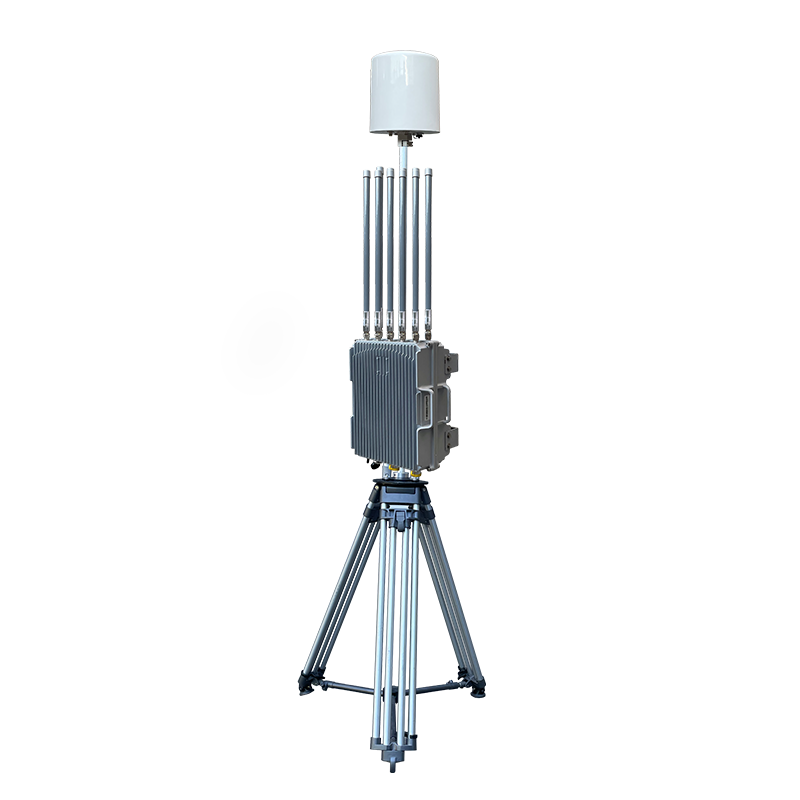
Security experts highlight that the stationary drone detection and jamming solution not only enhances physical security but also mitigates the risk of espionage, smuggling, and sabotage. Airports, for instance, have increasingly adopted these systems to prevent drone-related flight disruptions, which can cause delays, financial losses, and safety hazards. Similarly, industrial plants and critical infrastructure facilities rely on the solution to protect sensitive operations from potential aerial threats.
The adoption of stationary drone detection and jamming solutions is also expanding in the event management sector. Large gatherings, concerts, and sports venues face the challenge of unauthorized drone flights that may invade privacy or pose safety risks. With a stationary system in place, security personnel can monitor the airspace in real-time, respond quickly to potential threats, and maintain public safety without interfering with legitimate drone operations.
Technological advancements continue to improve the effectiveness of stationary drone detection and jamming solutions. Machine learning algorithms enhance detection accuracy by analyzing flight patterns and differentiating between drones, birds, and other airborne objects. Enhanced RF jamming capabilities allow for precise neutralization without affecting surrounding communication systems. Moreover, modular designs make it easier for organizations to scale their security coverage according to evolving threat levels.
Despite the benefits, experts stress the importance of regulatory compliance when implementing stationary drone detection and jamming solutions. Interfering with radio frequencies can have legal implications, and organizations must coordinate with national aviation authorities to ensure lawful operation. Many solutions are now designed with legal safety features, including adjustable jamming power, selective targeting, and integration with airspace monitoring networks to minimize risk.
As drone technology continues to evolve, stationary drone detection and jamming solutions are becoming a critical component of modern security infrastructure. Their ability to provide continuous monitoring, rapid threat mitigation, and operational flexibility makes them essential for protecting airports, industrial sites, government facilities, and public events. With ongoing advancements, these systems are expected to become more affordable, accurate, and widely deployed, ensuring that unauthorized drones are effectively managed without compromising safety or operational efficiency.
The rise of drone threats has prompted governments and private organizations alike to prioritize airspace security. By adopting stationary drone detection and jamming solutions, stakeholders can safeguard critical assets, maintain operational continuity, and address the growing challenges posed by unmanned aerial vehicles. In a world where drones are becoming increasingly ubiquitous, these stationary systems provide a robust, reliable, and proactive approach to aerial security.


Related News
CONTACT
Service Hotline
ADD: Collaborative Innovation Park, Hengli Town, Dongguan City, Guangdong, China

Swarm Technology
Ensure your low altitude security!


Powered by:CEglobal