


Advancements in Radio Detection Equipment Transform Modern Surveillance and Safety Systems
2026-03-06
In recent years, radio detection equipment has emerged as a crucial component in both civilian and military applications, revolutionizing how we monitor, protect, and interact with our environment. With the rapid advancement of technology, modern radio detection equipment has moved beyond traditional radar systems, incorporating sophisticated software, miniaturized hardware, and enhanced signal processing capabilities. These developments have broadened the scope of detection, making it more precise, efficient, and adaptable to a wide range of applications.
One of the most significant applications of radio detection equipment is in air traffic control and aviation safety. Airports around the world increasingly rely on these systems to track aircraft in real time, manage flight paths, and prevent collisions. Modern radio detection equipment can detect and monitor multiple aircraft simultaneously, even in challenging weather conditions, providing a high level of situational awareness for air traffic controllers. In addition, these systems are critical for unmanned aerial vehicle (UAV) operations, where drones require reliable detection to avoid conflicts with manned aircraft.
In the field of defense and security, radio detection equipment has become an indispensable tool for surveillance and reconnaissance. Military forces use these systems to detect and track enemy movements, monitor borders, and protect sensitive installations. Advanced radar and radio frequency detection devices are capable of identifying low-observable targets, including stealth aircraft and fast-moving missiles. The integration of artificial intelligence into radio detection equipment further enhances its capabilities, allowing automated target recognition, predictive tracking, and real-time threat analysis.
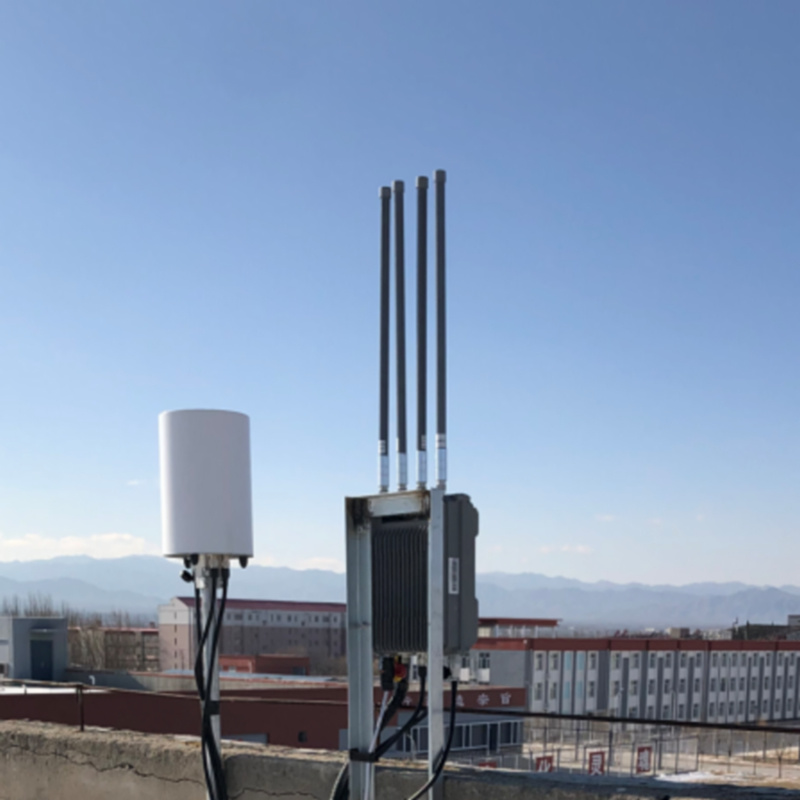
Maritime navigation and safety have also benefited significantly from innovations in radio detection equipment. Ships equipped with modern radar and radio detection systems can navigate safely through crowded ports, detect potential hazards, and avoid collisions at sea. Search and rescue operations have become more efficient, as these systems can locate vessels or individuals in distress, even under adverse weather conditions. Additionally, coast guard and naval forces rely on radio detection equipment for monitoring territorial waters, detecting unauthorized vessels, and enforcing maritime regulations.
The evolution of radio detection equipment has not been limited to large-scale infrastructure. Portable and handheld devices have transformed emergency response, disaster management, and wildlife conservation efforts. Emergency teams can deploy portable radio detection equipment to locate survivors in disaster-stricken areas, while researchers use these tools to monitor wildlife movements and prevent poaching. Such versatility demonstrates the broad impact of radio detection equipment across various sectors, improving safety, efficiency, and environmental awareness.
Commercial and industrial sectors are also leveraging the benefits of radio detection equipment. In the automotive industry, radar-based systems enable advanced driver assistance features, including collision avoidance, lane change monitoring, and adaptive cruise control. Industrial facilities employ radio detection equipment to monitor machinery, detect potential malfunctions, and ensure worker safety in hazardous environments. As the Internet of Things (IoT) continues to expand, integrating radio detection equipment into connected devices offers new opportunities for smart cities, traffic management, and infrastructure monitoring.
Looking forward, the future of radio detection equipment is set to be shaped by innovations in signal processing, machine learning, and miniaturization. Next-generation systems are expected to offer higher resolution, faster response times, and more intelligent detection capabilities. Researchers are also exploring the use of multi-sensor fusion, combining radio detection with optical, infrared, and acoustic sensors to create comprehensive situational awareness platforms. These advancements will further enhance the ability to detect, track, and respond to both natural and human-made threats, solidifying the role of radio detection equipment as a cornerstone of modern technology.
In conclusion, radio detection equipment has undergone remarkable transformations, expanding its applications from traditional radar systems to highly versatile, AI-enabled devices. Its contributions to aviation, defense, maritime safety, emergency response, and industrial operations highlight its critical importance in modern society. As technology continues to evolve, radio detection equipment will remain at the forefront of innovation, shaping the way we protect lives, manage resources, and navigate complex environments. With its combination of precision, adaptability, and intelligence, radio detection equipment represents a vital tool for the future of surveillance, safety, and security worldwide.


Related News
CONTACT
Service Hotline
ADD: Collaborative Innovation Park, Hengli Town, Dongguan City, Guangdong, China

Swarm Technology
Ensure your low altitude security!


Powered by:CEglobal